Backpacking Safety Tips for Western North Carolina
Backpacking in Western North Carolina offers incredible access to remote trails, dense forests, and rugged mountain terrain. With that adventure comes the need for solid preparation and awareness. Safety remains one of the most important parts of any successful trip, especially in areas where weather, wildlife, and challenging terrain can change quickly. Many new and experienced backpackers search for reliable safety tips because they want to explore confidently while minimizing risks. This post breaks down the essential information you need before heading into the backcountry. You will learn how to plan your route, choose the right gear, stay aware of changing conditions, handle wildlife encounters, and prepare both physically and mentally. The goal is to help you travel smarter and return home safely from every trip.
Why Safety Planning Matters in WNC Backcountry
The Reality of Backcountry Risks vs. Perceived Safety
Western North Carolina offers some of the most beautiful and remote backpacking terrain in the Southeast, which means hikers must be ready for a wide range of conditions. Trails that seem straightforward can quickly become challenging due to steep climbs, dense tree cover, or washed out sections. Even experienced hikers can underestimate how quickly conditions shift. Proper preparation reduces the chance of getting caught off guard and helps you respond confidently when something unexpected happens.
Statistics and Context: How Common Are Incidents
Accidents in the backcountry are not rare, and most stem from preventable issues like poor navigation, dehydration, or weather exposure. While the overall number of hikers in the region continues to rise, search and rescue efforts often point to the same themes. Inadequate planning, lack of reliable gear, and unfamiliarity with the terrain contribute to many incidents. Understanding these patterns helps you avoid repeating common mistakes.
Why WNC Requires Extra Awareness
The mountains of Western North Carolina create constantly shifting microclimates. A sunny morning can turn into afternoon storms, fog, or a sharp temperature drop. Wildlife is active throughout the region, and encounters with black bears are possible around campsites and food storage areas. Trails often cross slick rock, stream beds, or narrow ridges that can become hazardous in wet weather. These factors make extra planning essential for a safe and smooth trip.
What Safety Means for WNC Backpackers
Safety in this region involves more than avoiding injury. It includes planning for delays, understanding navigation tools, choosing proper clothing, and preparing for sudden weather changes. It also means protecting wildlife, respecting regulations, and knowing when to adjust your plan. A strong safety mindset helps ensure you enjoy the backcountry while reducing risk for yourself and others.
Pre-Trip Preparation and Planning
Research Your Route, Terrain, and Current Conditions
Good planning starts with understanding where you are going. Look at maps, recent trail reports, and official forest service updates so you know what to expect. Western North Carolina trails vary widely in elevation gain, water availability, and trail maintenance levels. Studying the terrain ahead of time helps you gauge how long each section may take and where you might encounter difficult footing or limited visibility.
Share Your Itinerary and Emergency Plans
Before starting your NC backpacking trip, make sure someone at home knows your route, planned campsites, and expected return time. This basic step improves your safety in ways technology cannot always guarantee. Cell service is unreliable in the mountains, so a contact who knows your plan becomes an important part of your safety net. Include details about entry points, emergency contacts, and any alternate routes you might use if conditions change.
Know Water Sources, Campsites, and Resupply Options
Reliable information about water and campsites prevents surprises when you are miles from the trailhead. Some streams flow consistently, while others may run low depending on the season. Identifying multiple water options reduces the risk of running short. Look at campsite spacing, elevation, and trail rules so you can build a daily plan that fits your energy level and daylight. If your route passes popular areas, consider how early you may need to arrive to secure a spot.
Prepare for Variable Weather and Seasonal Changes
The weather in Western North Carolina can shift quickly due to elevation changes and mountain terrain. Always check forecasts for both low and high elevations and expect conditions to differ from what you see at the trailhead. Pack layers that handle heat, wind, and sudden rain. Seasonal planning matters as well. Spring may bring high water crossings, while late fall often brings cold nights and early sunsets. Thinking through these details ahead of time helps you travel with confidence and avoid unnecessary risk.
Essential Gear and The Basics of Packing for Safety
The Ten Essentials as the Foundation of Safe Travel
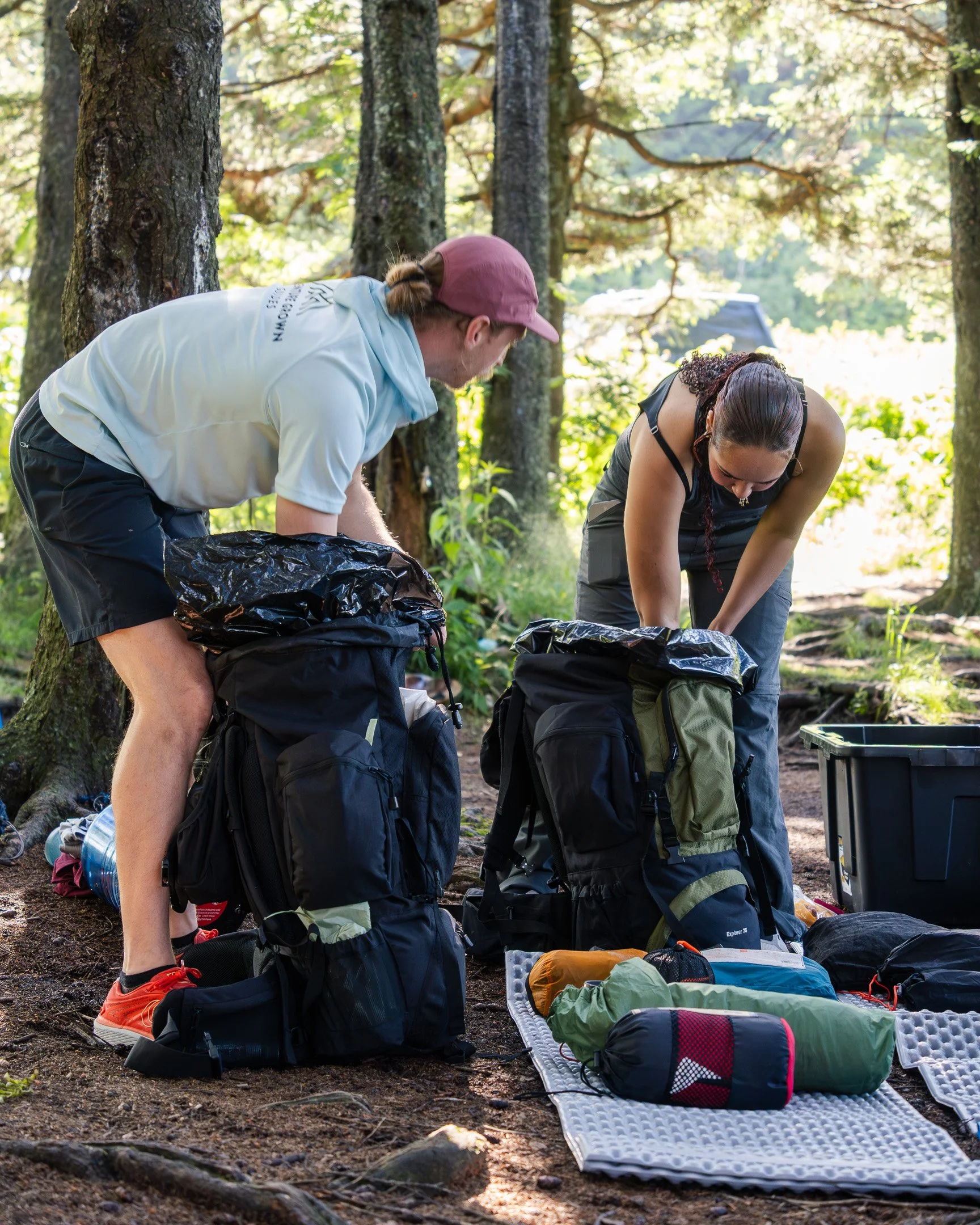
Every guided backpacking trip in Western North Carolina should start with the Ten Essentials. These items support navigation, shelter, visibility, and basic survival. Even on short trips, carrying them helps you manage unexpected weather or delays. Key backpacking gear includes a map, compass, headlamp, first aid kit, fire starter, extra layers, extra food, a knife or multi tool, sun protection, and an emergency shelter. For WNC travel, it is also smart to include a water filter, bear resistant food storage, and rain protection since they address common conditions in the region.
Clothing, Footwear, and a Reliable Layering System
Clothing choices have a major impact on comfort and safety. The best approach is a layering system that lets you adjust to changing conditions without overheating or getting chilled. Synthetic and wool materials wick moisture and dry quickly, which is important in a humid environment. Footwear should provide stability on rocky, root covered trails and grip well on wet surfaces. Before your trip, take time to break in boots or trail shoes and test your socks to reduce the chance of blisters.
Water, Food, and Basic Nutrition Planning
Staying fueled keeps you alert and reduces the risk of mistakes that lead to injuries. Bring meals that are easy to prepare and pack snacks you can access quickly during long climbs or hot stretches. Since dehydration is a common issue in the mountains, know your water sources before you leave and carry a filter or purification tablets. It is helpful to pack a little more food and water treatment than you think you need since unexpected delays or longer routes are always possible.
Shelter, Emergency Shelter, and Overall Flexibility
Your primary shelter should be durable, weather resistant, and quick to set up. The mountains can produce sudden storms, so the ability to get under cover quickly matters. Carrying an emergency bivy or lightweight tarp adds an extra layer of security if you are delayed or forced to stop early. Flexibility is an important part of packing for safety. A shelter system that gives you options helps you adjust when campsites fill up, weather shifts, or you end up farther from your planned location than expected.
Navigation, Communication, and Situational Awareness
Map, Compass, GPS, and Reducing Dependence on Electronics
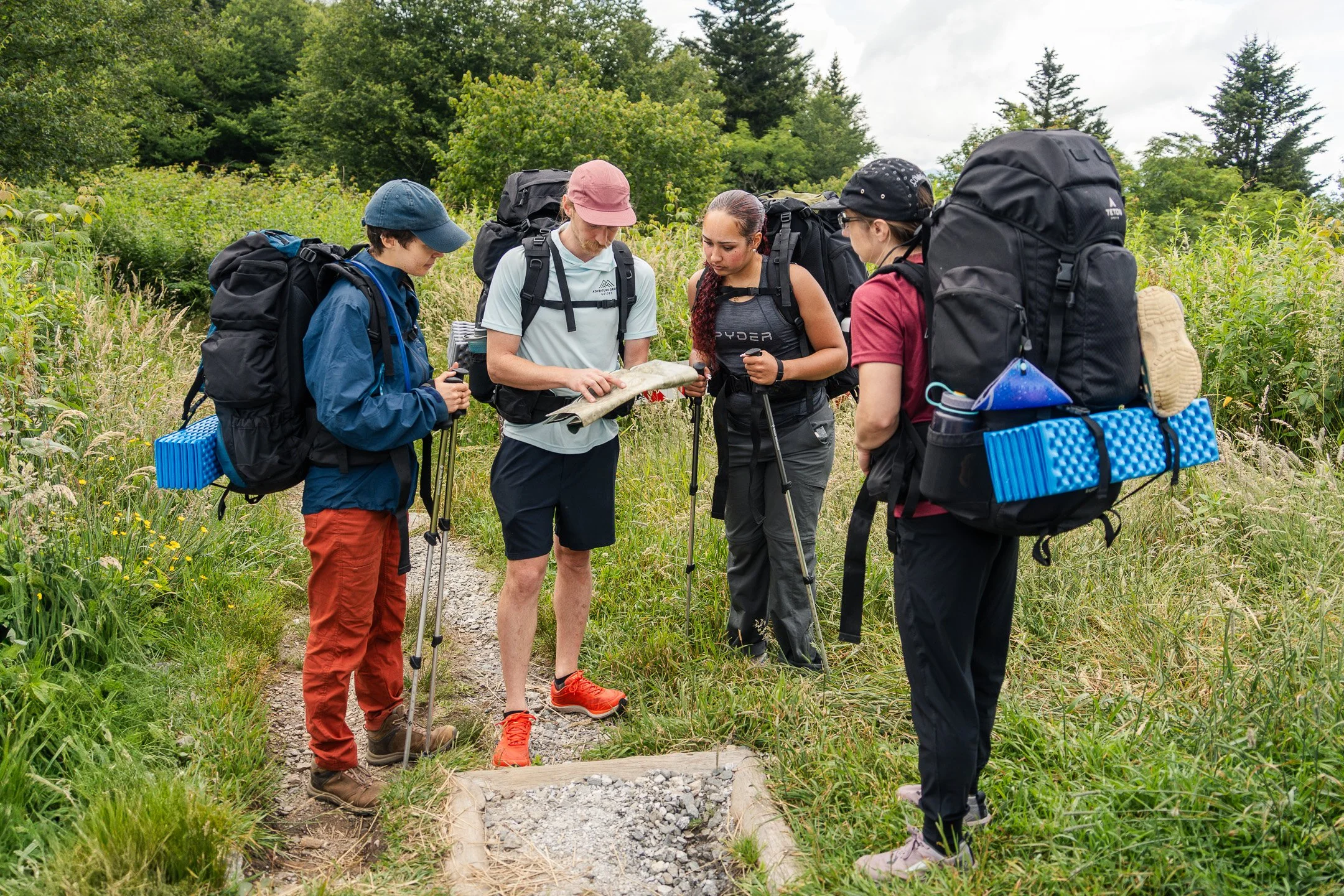
Reliable navigation is one of the most important safety skills for backpackers in Western North Carolina. Trails can be poorly marked, overgrown, or affected by recent storms, which makes it easy to drift off route. Carrying a paper map and compass gives you a dependable backup if your phone battery dies or your GPS loses signal. It is helpful to practice basic map reading before the trip so you can identify landmarks, elevation changes, and potential hazards. Electronics are useful tools, but traditional navigation skills provide long term security in unpredictable terrain.
Recognizing and Responding to Changing Conditions
Situational awareness helps you adapt before problems grow larger. Keep an eye on cloud movement, rising winds, or sudden temperature changes since they often signal storms or fog. Pay attention to how the trail surface feels underfoot. Wet leaves, slick rock, and narrow ridges require slower movement and more careful steps. When conditions shift, take time to reassess your pace and your remaining daylight. Small adjustments like shortening your daily mileage or choosing an earlier campsite can prevent unnecessary risks.
Emergency Communication in Low Coverage Areas
The mountains across WNC have limited cell service, which makes planning for communication essential. A personal locator beacon or satellite messenger can provide a direct link to help if something serious happens. Even without advanced tools, you can still improve your communication plan by letting someone at home know your route and expected check in time. Having clear information ready for them helps rescue teams respond faster if needed. Double check that your phone, headlamp, and any communication devices start the trip fully charged.
Group Dynamics, Solo Travel, and Decision Making
Traveling with others can improve safety when everyone communicates clearly. Discuss pace, rest breaks, and decision points at the start of each day so no one feels rushed or left behind. Groups should also choose a system for checking in after difficult sections. For solo hikers, navigation and communication take on even greater importance. Choosing conservative routes, staying aware of landmarks, and adjusting plans early helps reduce risk. Whether solo or in a group, the most important skill is knowing when to change your plan if conditions or energy levels shift.
Wildlife, Environmental Hazard, and Leave No Trace Awareness
Wildlife Safety and Reducing Encounters
Backpacking in Western North Carolina means sharing space with wildlife, including black bears, deer, and smaller animals that may seek out food. The best way to prevent issues is to manage food and scents carefully. Store food in approved bear resistant containers or use proper hanging techniques where allowed. Cook and store food away from your sleeping area to avoid attracting animals at night. Make noise when moving through dense brush or near streams so wildlife can detect your presence early. Respecting distance and never feeding animals protects both you and the wildlife that live in the region.
Environmental Hazards: Weather, Water, and Terrain
The mountains create conditions that can change quickly and occasionally become dangerous. Heavy rain can swell creeks and make crossings unsafe. Slippery rocks, loose soil, and steep grades require slow and deliberate movement, especially after storms. Fog can settle in fast, reducing visibility on ridgelines or during early mornings. Checking the forecast before your trip and monitoring the sky throughout the day helps you stay ahead of sudden weather shifts. When conditions deteriorate, choosing caution over speed keeps you safer.
Leave No Trace and Responsible Recreation Skills
Practicing Leave No Trace protects the health of the backcountry and reduces the impact of growing visitation. Staying on established trails prevents erosion and protects fragile plant life. Choose durable surfaces when selecting campsites and keep your area small to preserve surrounding vegetation. Pack out all trash and leftover food, even biodegradable waste. Follow local regulations regarding fires, food storage, and group size to help maintain the integrity of popular areas. Responsible habits make the backcountry safer for wildlife and more enjoyable for everyone.
Trail Etiquette and Minimizing Impact on Others
Sharing the trail respectfully improves safety and the overall experience for all hikers. Yield to uphill traffic, give space to faster groups, and communicate clearly when passing on narrow sections. Keep noise levels low so others can enjoy the natural setting. In crowded areas, be patient around viewpoints, water sources, or campsites. Thoughtful behavior supports a positive culture on the trail and helps reduce conflicts, confusion, and environmental stress caused by overcrowding.
Physical and Mental Readiness
Conditioning, Fitness, and Honest Assessment of Ability
Being physically prepared can prevent many of the most common backcountry issues. Western North Carolina trails often include long climbs, uneven footing, and sustained elevation changes, which demand steady endurance. Training with local day hikes, loaded pack walks, or stair climbing builds the strength needed for longer trips. It is important to choose routes that match your fitness level so you conserve energy and stay alert. An honest assessment of your limits is one of the most reliable ways to avoid injuries or exhaustion.
Developing a Mindset Built on Awareness and Patience
Mental readiness influences decision making as much as physical strength. A calm and flexible mindset helps you adjust to delays, unexpected obstacles, or changes in weather. Instead of feeling rushed, treat the trail as a place where conditions guide your pace. A willingness to pause, reassess, or even turn back keeps you safer than pushing through discomfort. Respecting the realities of the backcountry leads to smarter choices when uncertainty appears.
Basic First Aid Knowledge and Emergency Preparedness
Knowing how to handle minor injuries gives you confidence during longer trips. A simple first aid kit should include blister care, bandages, pain relief, and supplies for cleaning small wounds. Learning how to recognize early signs of dehydration, heat stress, or hypothermia prepares you to act before problems escalate. It is helpful to review basic first aid steps before each trip and replace any items that are expired or missing. Understanding how to respond to injuries or illness helps you stay calm and focused when something goes wrong.
Planning for Fatigue, Stress, and Changing Conditions
Fatigue affects more than your legs. When tired or stressed, it becomes easier to miss trail markers, misjudge footing, or skip breaks. Building rest points into your daily plan helps you maintain energy throughout the trip. Staying hydrated and keeping snacks accessible also supports clear thinking. If conditions shift or your pace slows, adapting your plan prevents unnecessary strain. Recognizing the early signs of fatigue and adjusting quickly leads to safer and more enjoyable travel in the mountains.
Post-Trip Protocols and Reflection
Closing the Loop and Notifying Your Emergency Contact
Once you return to the trailhead, the first step is letting your emergency contact know you are safe. This simple follow up ensures no one begins a search unnecessarily and confirms that your planned route went as expected. If you changed your itinerary, communicate those details as well. Clear communication after a trip is a valuable part of your overall safety plan.
Reflecting on What Went Well and What Could Improve
Each backpacking trip offers lessons you can carry into your next adventure. Take time to think about the decisions you made, the gear you used, and the challenges you faced. Identify what worked smoothly and what created stress or delays. This type of reflection helps you refine your packing choices, improve your fitness plan, or adjust your navigation strategy. Learning from experience builds long term confidence in the backcountry.
Sharing Observations About Trail Conditions and Hazards
Reporting trail issues benefits both land managers and other hikers. If you encounter downed trees, washed out sections, or wildlife concerns, pass that information along to the appropriate forest service office or park contact. Some organizations accept online condition reports, while others rely on phone calls. Sharing updates helps improve safety for future visitors and supports the upkeep of heavily used areas.
Organizing Gear and Preparing for Your Next Trip
After the trip, inspect your gear and make note of anything that needs repair or replacement. Clean your equipment, restock first aid items, and dry out tents and layers before storing them. This routine keeps your gear in good condition and reduces the chance of last minute problems during your next outing. Small steps taken after each trip support safer and more efficient travel in the long run.
FAQs About Backpacking Safety Tips
What are the most important backpacking safety tips for beginners?
Beginners should focus on proper planning, carrying essential gear, and knowing how to navigate their chosen route. Simple habits like checking weather, packing enough food and water, and sharing your itinerary go a long way toward preventing problems. Starting with shorter, easier trails also helps build confidence before moving to more remote areas.
How do I stay safe from wildlife while backpacking?
Storing food properly and keeping a clean campsite are the best ways to reduce unwanted wildlife encounters. In bear country, use approved containers or hanging systems and cook away from your sleeping area. Always give animals space and avoid feeding or approaching them.
What should I do if I get lost while backpacking?
The safest approach is to stop, stay calm, and use your map and compass to reorient yourself. Backtrack only if you are certain of the route and conditions allow it. If you cannot determine your location, stay put and use a communication device or signal for help.
How much water should I carry when backpacking?
Most hikers plan to drink at least two to three liters per day, but warm weather and strenuous climbs may require more. What matters most is knowing where reliable water sources are located along your route. Carry a filter or purification tablets so you can refill safely throughout the day.
Is it safe to backpack alone in the backcountry?
Solo backpacking can be safe with strong planning, navigation skills, and conservative decision making. Hikers traveling alone should choose well marked routes, monitor conditions closely, and check in with a contact at home. Carrying a satellite messenger or personal locator beacon adds an extra layer of security.
How do I prepare for bad weather while backpacking?
Check forecasts before you leave and pack layers that handle rain, wind, and temperature changes. Weather can shift quickly in mountain regions, so be ready to adjust your pace or stop early if conditions deteriorate. A waterproof shelter and dry clothing help you stay safe if storms move in unexpectedly.
Stay Safe and Confident With These Backpacking Safety Tips
Backpacking in Western North Carolina is an incredible experience when you travel with the right preparation and awareness. This guide covered the most important safety steps, including pre trip planning, essential gear, navigation skills, wildlife awareness, and the value of staying physically and mentally ready. By taking time to plan thoroughly, pack smart, and respond to changing conditions, you set yourself up for safer and more enjoyable backcountry travel. If you want expert support while building your skills, you can learn directly from experienced local guides who know these mountains well. Book a backpacking trip with Adventure Grown Guides and explore the best of Western North Carolina with confidence.