Group Backpacking Trips in North Carolina
Exploring the mountains of North Carolina with a group is one of the most rewarding ways to experience the state’s rugged backcountry. Group backpacking trips bring together the best parts of the outdoors. Shared challenges, teamwork, and time spent away from everyday distractions. Whether you’re planning a weekend hike with friends or a multi-day trek with a larger group, North Carolina offers countless trails suited for every experience level. Group trips also make backcountry travel safer, more affordable, and more enjoyable when guided by knowledgeable leaders. In this post, we’ll cover how to plan a group backpacking trip in North Carolina, what to expect from a guided experience with Adventure Grown Guides, how to prepare as a team, and the benefits that come from exploring the wilderness together.
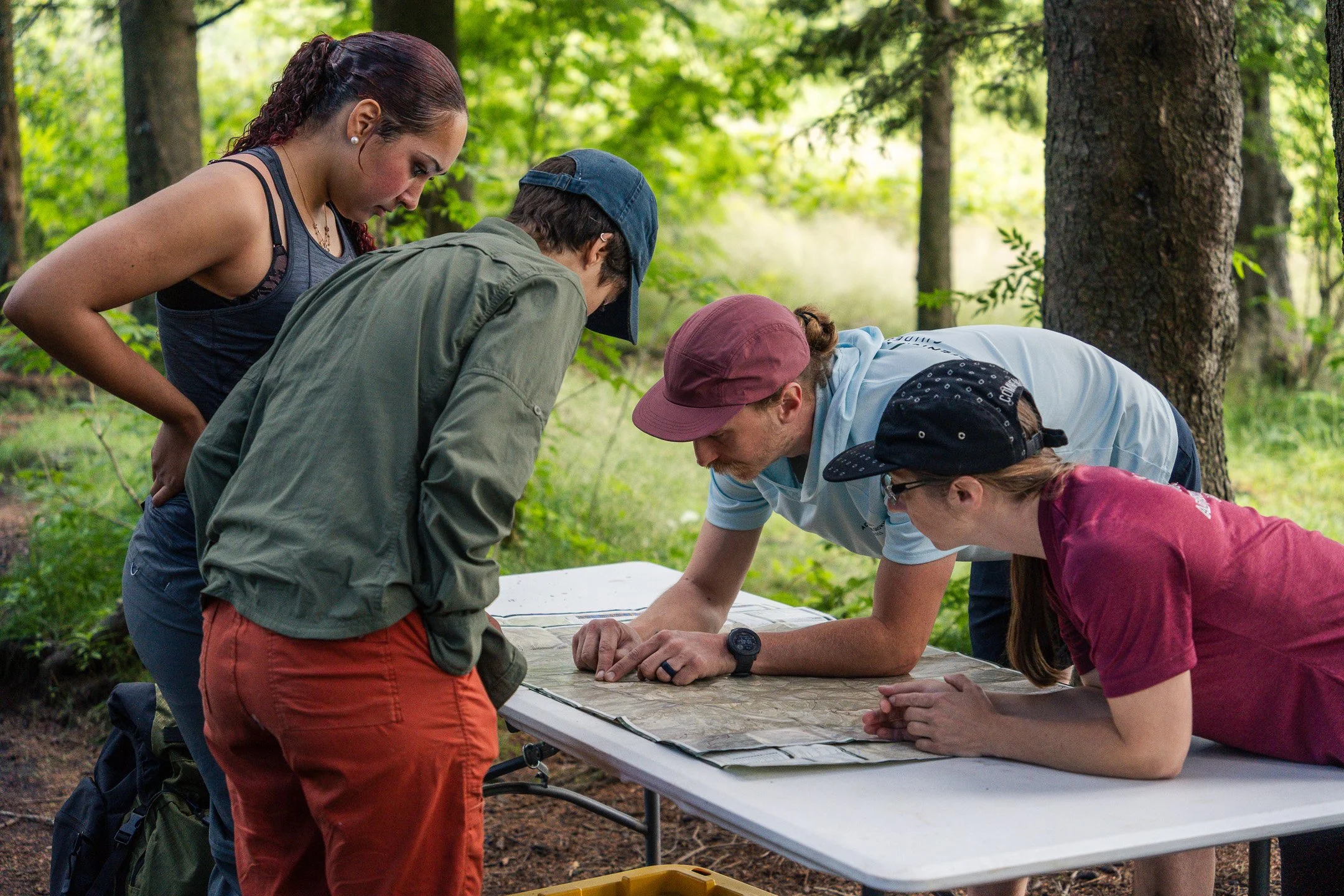
Why Choose Group Backpacking Trips in North Carolina
Benefits of Group Travel
Group backpacking trips bring people together in a way that few other experiences can. Traveling as a group makes the backcountry more accessible, especially for those new to multi-day hiking. Shared planning, shared gear, and shared meals make each person’s pack lighter and the experience more efficient. The sense of teamwork that develops on the trail often becomes the most memorable part of the journey.
Other key benefits include:
Safety and support: More eyes and hands for navigation, camp setup, and emergencies.
Motivation: Groups encourage one another to push through tough climbs or long miles.
Connection: Building friendships and memories through shared effort and adventure.
NC backpacking with a group also helps distribute responsibilities, making the trip more enjoyable for everyone involved.
Why Western North Carolina Works for Groups
Western North Carolina is home to some of the best backpacking routes in the Southeast, offering diverse terrain, established campsites, and scenic trails that cater to different experience levels. From the waterfalls of Pisgah National Forest to the high ridgelines of the Great Smoky Mountains, this region provides endless opportunities for both short and extended group trips.
Backpacking trails NC are well-maintained trail systems and a variety of loop options make planning group itineraries straightforward. Trails like the Art Loeb Trail, Shining Rock Wilderness routes, and sections of the Appalachian Trail allow groups to experience challenging hikes with rewarding views and accessible campsites. Combined with the region’s mild climate and natural beauty, Western North Carolina offers a group backpacking experience that is both manageable and rewarding.
Planning and Preparation for Your Group Backpacking Trip
Defining Group Size and Skill Level
The foundation of a successful group backpacking trip starts with understanding your group’s size and experience level. A group that is too large can slow down travel and strain campsites, while one that’s too small may lack needed support. Aim for a group of four to ten people, which provides a good balance of efficiency and safety.
Before finalizing your plans, take time to assess everyone’s comfort with hiking distance, elevation gain, and backcountry camping. Matching the route to your group’s skills ensures that the experience remains enjoyable and manageable for all members. A well-balanced team creates smoother decision-making and stronger teamwork on the trail.
Selecting the Right Route and Duration
Choosing the right route and trip length is one of the most important parts of planning. Consider trails that match your group’s experience, desired scenery, and physical ability. For beginners, shorter loops in areas like Pisgah National Forest or DuPont State Recreational Forest are ideal. More experienced groups may prefer multi-day treks in the Great Smoky Mountains or Linville Gorge.
Keep mileage and elevation realistic, accounting for the slowest hiker’s pace and the need for rest stops. Three to five days is often a great window for group trips—it allows time to disconnect, settle into a rhythm, and enjoy camp life without overexertion.
Logistics: Permits, Shuttles, and Campsite Reservations
Once the route is chosen, focus on the logistics. Some areas in Western North Carolina, including parts of the Smokies, require backcountry permits or campsite reservations. Secure these well in advance to avoid last-minute issues. Many trail systems also have group size limits to help protect the environment.
Transportation is another key factor. If your route starts and ends in different locations, plan shuttle options or coordinate pickup with a guiding service. Organize shared responsibilities for navigation, campsite setup, and meal prep so that each member contributes equally to the group’s success.
Gear, Meals, and Safety for Groups
A strong gear plan helps the group travel efficiently. Divide shared items such as tents, cook kits, and water filters among participants to balance pack weights. Each person should still carry their own essentials like sleeping gear, clothing, and personal items. Adventure Grown Guides provides well-organized systems for group gear, ensuring everyone is equipped with dependable, lightweight equipment.
Meal planning also takes on extra importance with groups. Preparing simple, easy-to-cook meals that everyone enjoys keeps morale high after long days on the trail. Safety should always remain a top priority. Carry at least one first-aid kit, navigation tools, and a communication device in case of emergencies. A group that prepares together and understands its backpacking gear guide will always be more confident once it hits the trail.
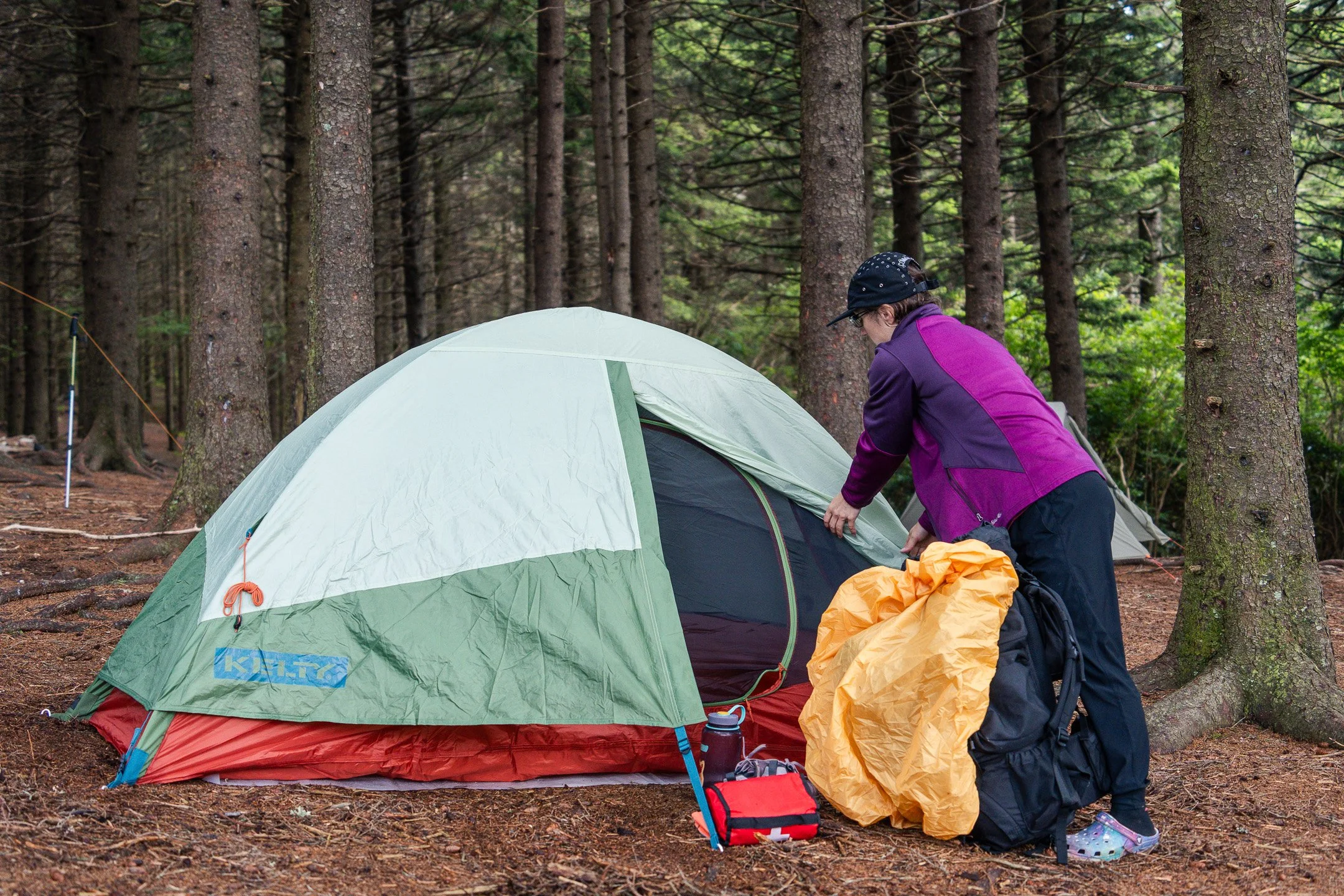
What a Group Trip with Adventure Grown Guides Includes
Guided Support and Expert Leadership
Every group backpacking trip with Adventure Grown Guides is led by experienced, certified guides who know Western North Carolina’s backcountry inside and out. Their role goes beyond navigation and logistics. They help teach outdoor skills, manage group dynamics, and ensure everyone feels comfortable and confident on the trail. Before departure, guides conduct a trip briefing to review gear, safety procedures, and the day-by-day itinerary.
The goal is to create an environment where every participant can focus on the experience rather than the logistics. Guides handle the details while offering tips on pacing, backcountry safety, and Leave No Trace practices throughout the trip.
Full Group Logistics Covered
Adventure Grown Guides takes care of the planning so groups can enjoy the adventure without stress. This includes detailed route selection, campsite coordination, and any necessary backcountry permits. Transportation arrangements, such as trailhead drop-off or pickup, are also managed to make transitions smooth and efficient.
Each trip is customized to fit the group’s skill level, interests, and goals. Whether your team wants scenic overlooks, waterfall campsites, or high-mileage days, the itinerary is tailored to meet those preferences. With the logistics handled, the group can spend more time exploring and less time worrying about the small details.
Gear, Meals, and Group Management
All essential backpacking gear is included with each group trip, allowing participants to show up prepared without needing to buy or bring expensive equipment. Standard gear packages include backpacks, tents, sleeping bags, sleeping pads, cook kits, bear canisters, water filtration systems, trekking poles, and navigation tools. Everything is carefully maintained and suited for the conditions found in Western North Carolina’s terrain and climate.
Groups also have the option to add on meal kits, which include breakfast, lunch, dinner, snacks, and beverages. These meal systems are designed for efficiency and nutrition, keeping energy levels consistent during full hiking days. Sharing cooking responsibilities and mealtime together helps strengthen group connection and teamwork.
Safety, Education, and Leave No Trace Principles
Safety and stewardship are at the heart of every Adventure Grown Guides trip. Guides are trained in wilderness first aid and emergency procedures, ensuring that the group is prepared for any situation. Each trip begins with a safety overview and gear check, and guides maintain regular communication with all participants throughout the journey.
Education is also a key part of the experience. Participants learn practical outdoor skills such as efficient packing, campsite setup, water purification, and navigation. Leave No Trace ethics are reinforced daily, helping each group minimize its impact on the fragile ecosystems of Western North Carolina. Every trip is built around exploration, safety, and respect for the wild spaces that make this region so special.
Group Trip Styles and Sample Itineraries
Weekend Intro Trip (2–3 Days)
A weekend group backpacking trip is the perfect entry point for new hikers or those with limited time. These trips focus on short mileage, comfortable campsites, and basic backcountry skills. The goal is to help participants get used to carrying a pack, setting up camp, and hiking as a team while still enjoying plenty of downtime at camp.
Sample itinerary:
Day 1: Meet your guide, review gear, and hike a few miles to a scenic campsite in Pisgah National Forest.
Day 2: Enjoy a day hike to nearby waterfalls or overlooks, followed by group meals and campfire time.
Day 3: Pack up, hike back to the trailhead, and wrap up with a reflection on what the group learned.
Weekend trips are ideal for friends, families, or small organizations looking for a manageable but rewarding beginner backpacking NC experience.
Intermediate Multi-Day Loop (4–6 Days)
For groups ready to cover more miles, the intermediate loop trip offers a balanced mix of challenge and relaxation. These trips often travel through remote wilderness areas, where participants can deepen their skills and appreciation for the outdoors. Hiking days are typically longer, but the reward comes in the form of panoramic views, quiet campsites, and a stronger sense of accomplishment.
Sample itinerary:
Day 1: Depart from the trailhead and begin a gradual ascent into higher elevations.
Day 2–4: Travel deeper into the backcountry, crossing ridgelines, creeks, and forested valleys. Learn advanced skills such as backcountry navigation and efficient camp setup.
Day 5: Descend toward the exit trailhead, stopping for one last group meal before heading home.
These trips are best suited for groups that already have some hiking experience or have completed shorter backpacking trips.
Custom Extended Group Expeditions
Custom expeditions are designed for groups seeking a longer, more immersive backcountry experience. These trips typically last a week or more and take participants through some of the most remote and scenic terrain in Western North Carolina. With more time in the wilderness, groups can truly disconnect from daily life and build lasting camaraderie through shared challenges and exploration.
Sample itinerary:
Day 1–2: Meet your guides, review gear, and begin hiking into the wilderness.
Day 3–6: Travel through rugged terrain, rotating camp responsibilities, and refining group systems. Each night brings new scenery and opportunities for learning.
Day 7+: Conclude with a reflective final day hike and optional group meal in a nearby mountain town.
Extended expeditions can be fully customized to match your group’s fitness level, goals, and interests. Whether your team wants to focus on scenic photography, leadership development, or backcountry education, Adventure Grown Guides will tailor the itinerary to fit your objectives while maintaining a safe, well-organized experience.
Cost, Value and How to Budget for a Group Trip
Typical Cost Factors for Group Trips
When budgeting for a group backpacking trip, it helps to understand what contributes to the overall cost. The main factors include guide services, backpacking gear rentals, meal options, permits, and transportation. With Adventure Grown Guides, every trip is designed to maximize value while keeping planning simple and transparent.
Group trips are priced per person, and the rate often depends on trip length and group size. Because certain expenses like campsite fees and shuttle costs are shared, the per-person price tends to decrease as the group grows. Participants benefit from professional guidance, high-quality gear, and meal preparation that would cost significantly more if purchased individually.
Main cost factors include:
Guide expertise and safety instruction
Gear and meal package options
Permits and campsite reservations
Shuttle or pickup services
Sample Budget Breakdown
While every trip is customized, a few examples can help set expectations. A weekend trip (2–3 days) typically includes guide services, full gear setup, and optional meal kits. A multi-day loop (4–6 days) might include additional logistics, like shuttles or backcountry permits, along with more days of meals and camping. Extended expeditions lasting a week or longer are priced accordingly, with options to tailor the trip to your group’s goals.
Example breakdown per person:
Weekend Intro Trip (2–3 days): $400–$600
Intermediate Multi-Day Trip (4–6 days): $700–$1,000
Extended Expedition (7+ days): $1,200 and up
These ranges include high-quality equipment, professional guides, and meal kits where selected. The cost per person often reflects the level of support, customization, and comfort your group chooses.
Value Beyond Cost
Group backpacking trips with Adventure Grown Guides offer far more than the logistics covered by the trip fee. You’re investing in safety, expertise, and the peace of mind that comes with guided leadership in unpredictable backcountry environments. Planning a trip independently can take weeks of preparation, from mapping routes to sourcing gear and securing permits. With a guided experience, all of that work is handled for you.
The value extends beyond convenience. Groups benefit from expert instruction in navigation, gear management, and outdoor skills, building confidence for future adventures. There’s also an added layer of motivation and accountability that helps every participant stay engaged and supported throughout the trip. For most groups, the combination of time saved, expert guidance, and lasting experience makes guided backpacking one of the best outdoor investments you can make.
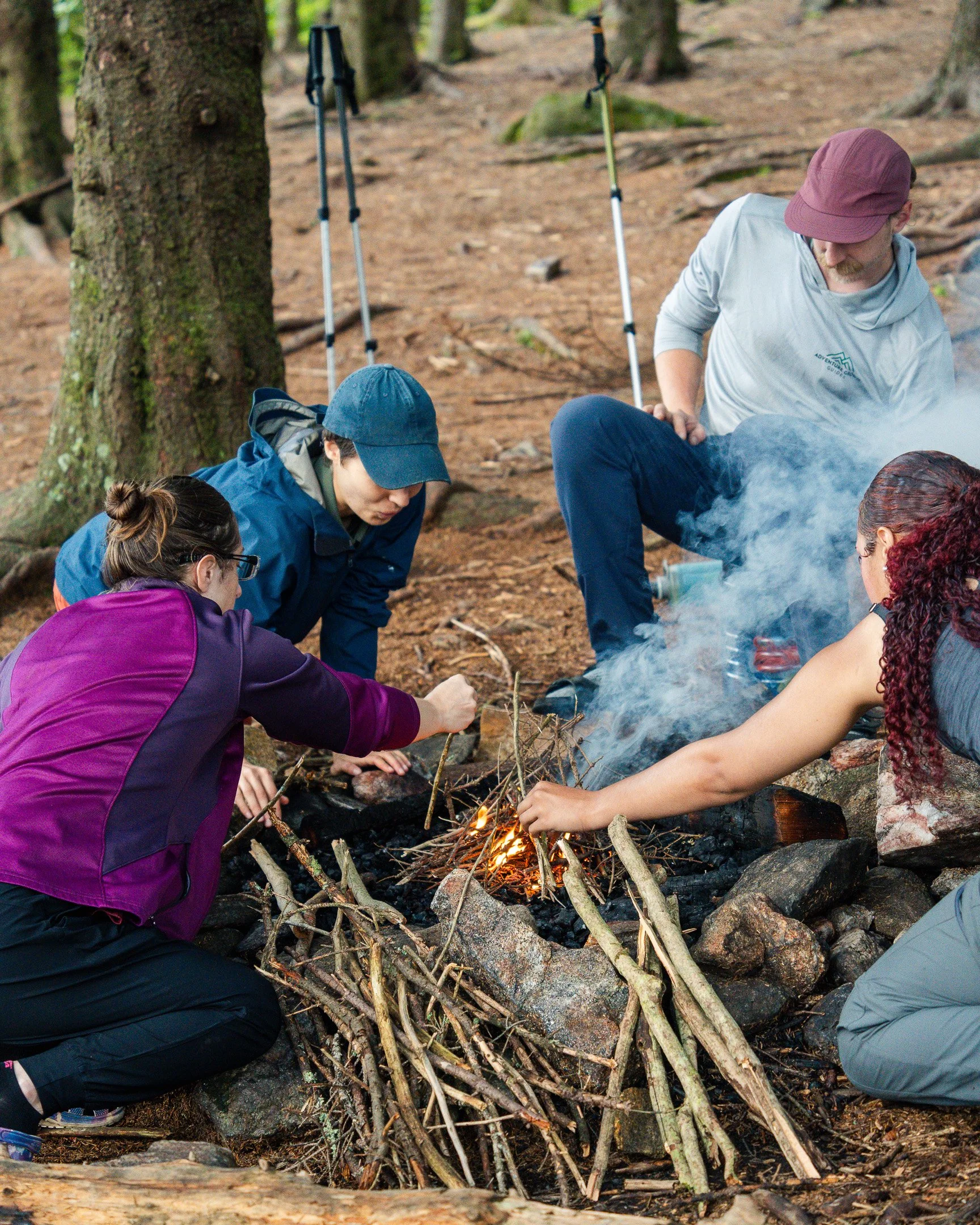
How to Join or Organize a Group Backpacking Trip
Booking Process and What to Expect
Joining or organizing a group trip with Adventure Grown Guides starts with a simple inquiry. Once you reach out, the team will schedule a short consultation to learn about your group’s goals, experience level, and preferred dates. From there, a custom trip proposal is created that includes your route options, pricing, duration, and gear or meal package details.
After your group confirms the plan, you’ll receive a detailed packing list and trip overview to help everyone prepare. A pre-trip meeting or call ensures that all participants are comfortable with the plan, understand what to expect, and know how to pack efficiently. The goal is to remove uncertainty so you can arrive confident and ready for adventure.
What to Bring and What We Provide
Adventure Grown Guides makes it easy to join a trip without needing to purchase expensive gear. Each participant receives access to high-quality rental equipment that includes a backpack, tent, sleeping bag and pad, cook kit, bear canister, trekking poles, and water filtration system. For added convenience, groups can also select meal kits that include breakfast, lunch, dinner, snacks, and beverages for each day of the trip.
Participants are responsible for bringing personal clothing, footwear, and any optional comfort items such as extra layers or cameras. Before departure, your guide will review everyone’s gear to ensure proper fit and functionality. This preparation ensures that all group members are ready for a safe, enjoyable experience in Western North Carolina’s backcountry.
Tips for Smooth Group Dynamics
Group backpacking works best when everyone understands the value of communication and teamwork. Establishing clear roles and responsibilities before the trip helps keep things organized. For example, one person might help with cooking while another manages navigation or campsite setup. Sharing these duties allows the group to function more efficiently and helps everyone feel included.
Other key tips for success:
Set a comfortable pace. Hike as a team and take breaks together to maintain morale.
Stay flexible. Weather, terrain, or energy levels can change the plan—adapt as needed.
Encourage communication. Be open about challenges and support one another throughout the trip.
Adventure Grown Guides helps guide these group dynamics, ensuring each person contributes meaningfully and the overall experience is positive. By the end of the journey, most groups find that shared effort and teamwork become the highlight of the trip itself.
Safety, Ethics and Group Responsibilities
Wilderness Safety Protocols
Safety is the foundation of every successful backpacking trip, especially when traveling in a group. Adventure Grown Guides places strong emphasis on preparation, awareness, and communication throughout each journey. Every guide is trained in wilderness first aid and carries the necessary equipment to handle medical or environmental emergencies. Before hitting the trail, participants receive a detailed safety briefing covering navigation, pacing, hydration, and weather preparedness.
Groups are encouraged to travel in a way that promotes awareness and teamwork. Staying within sight of one another, checking in regularly, and designating a lead and sweep hiker help keep everyone accounted for. By maintaining clear communication and consistent routines, the group stays safer and more organized in the backcountry.
Leave No Trace and Group Impact
Backpacking responsibly means leaving the wilderness as pristine as you found it. Group trips have a greater potential to impact campsites and trails, which makes adherence to Leave No Trace principles essential. Adventure Grown Guides teaches each group how to minimize impact through proper campsite selection, waste disposal, and respect for wildlife.
Key principles include:
Travel and camp on durable surfaces to protect fragile vegetation.
Pack out all trash, leftover food, and litter.
Keep campsites small and use established fire rings where permitted.
Store food properly to avoid attracting animals.
By following these principles, each group helps protect the forests, rivers, and ecosystems that make Western North Carolina’s backcountry so special. Responsible camping ensures that future hikers can enjoy these same wild spaces.
Respect for Local Communities and Environment
Backpacking in Western North Carolina also means being a good steward of the surrounding communities and landscapes. Many trails pass near small towns, rural areas, and protected lands that depend on visitors to act with courtesy and care. Simple actions like respecting private property boundaries, following local regulations, and supporting small outdoor businesses make a positive difference.
Environmental respect extends beyond the trail. Adventure Grown Guides encourages all participants to reflect on their impact and carry forward a mindset of conservation after their trip. By combining safe practices, ethical travel, and mutual respect, every group helps preserve both the wilderness and the culture that make this region unique.
Frequently Asked Questions
How much does a group backpacking trip in North Carolina cost per person?
Costs vary depending on trip length, terrain difficulty, and what is included in the package. Typical expenses include guide fees, gear rentals, meals, campsite and permit charges, and any transportation or shuttle services. Larger groups may benefit from cost sharing which helps reduce the per-person rate.
What size group is optimal for a backpacking trip in Western North Carolina?
A group of 4 to 10 participants is often ideal because it allows for strong team dynamics without becoming unwieldy. Within this range there are enough people to share responsibilities and costs, yet small enough to maintain manageable travel pace and decision-making. Groups larger than this may face slower progress, more logistical complexity and greater environmental impact.
Do I need previous backpacking experience to join a guided group trip in North Carolina?
While some comfort with hiking and camping is helpful, many guided group backpacking trips are designed to accommodate varying skill levels. The guiding company will assess your fitness and experience during the consultation to match the trip to your group’s ability. With proper planning and support from experienced guides, even first-time multi-day hikers can join safely and confidently.
What gear is typically required for a group backpacking trip in North Carolina and what is provided?
Participants generally need personal items like sturdy hiking boots, water bottles, appropriate clothing and a daypack. Guided trips usually provide heavy shared gear or full gear packages including backpacks, tents, sleeping systems, cook kits and water filtration for groups. Before departure you receive a detailed packing list so you know exactly what you bring and what is supplied.
How far will we hike each day on a group backpacking trip in Western North Carolina?
Daily mileage depends on the route, terrain and skill level of the group. On beginner-friendly trips you might cover 4 to 8 miles per day, while intermediate loops may allow 6 to 12 miles per day with longer or more strenuous terrain. The guide will set pace and mileage based on group consensus and safety rather than a rigid schedule.
What safety and environmental rules should our group follow in North Carolina’s backcountry?
Groups must adhere to wilderness safety protocols including carrying first-aid kits, navigation tools and emergency communication options with the guide present. They also follow Leave No Trace practices such as camping on durable surfaces, packing out all trash and minimizing group impact on fragile landscapes. Respecting local regulations, wildlife and trail etiquette ensures the wilderness remains accessible and preserved for future hikers.
Plan Your Next Adventure with Group Backpacking Trips in North Carolina
Group backpacking trips in North Carolina are one of the best ways to explore the state’s wild beauty while building lasting connections with others. Traveling as a team adds safety, shared responsibility, and motivation to every mile, and guided trips make the experience even more rewarding. With Adventure Grown Guides, your group can enjoy a fully supported journey that includes expert leadership, high-quality gear, customized itineraries, and the knowledge needed to travel responsibly in the backcountry. Whether you’re new to backpacking or ready for a multi-day challenge, the trails of Western North Carolina offer something for everyone. Explore our group backpacking trips at Adventure Grown Guides and start planning a rewarding experience in the mountains today.