NC Backcountry Camping: A Practical Guide to Backpacking in North Carolina’s Wildest Places
If you spend enough time hiking in North Carolina, you start to notice something.
Most people planning a backcountry trip are looking for the same thing. They want a list of campsites they can reserve ahead of time.
That works in national parks.
But in most of North Carolina’s backcountry forests, that’s not how things work.
Backpacking here is often a little more freeform. You hike the trail, keep an eye out for established campsites, and pick the spot that makes sense for the day.
For a lot of people, that uncertainty is what makes it fun. It feels less like checking into a campground and more like exploring.
If you understand how the forests operate and how campsites are typically found along the trail, planning a backcountry camping trip in North Carolina becomes a lot easier.
If you want to take on the backcountry with an experienced North Carolina backpacking guide, you have found the right place.
Let’s walk through how it all works.
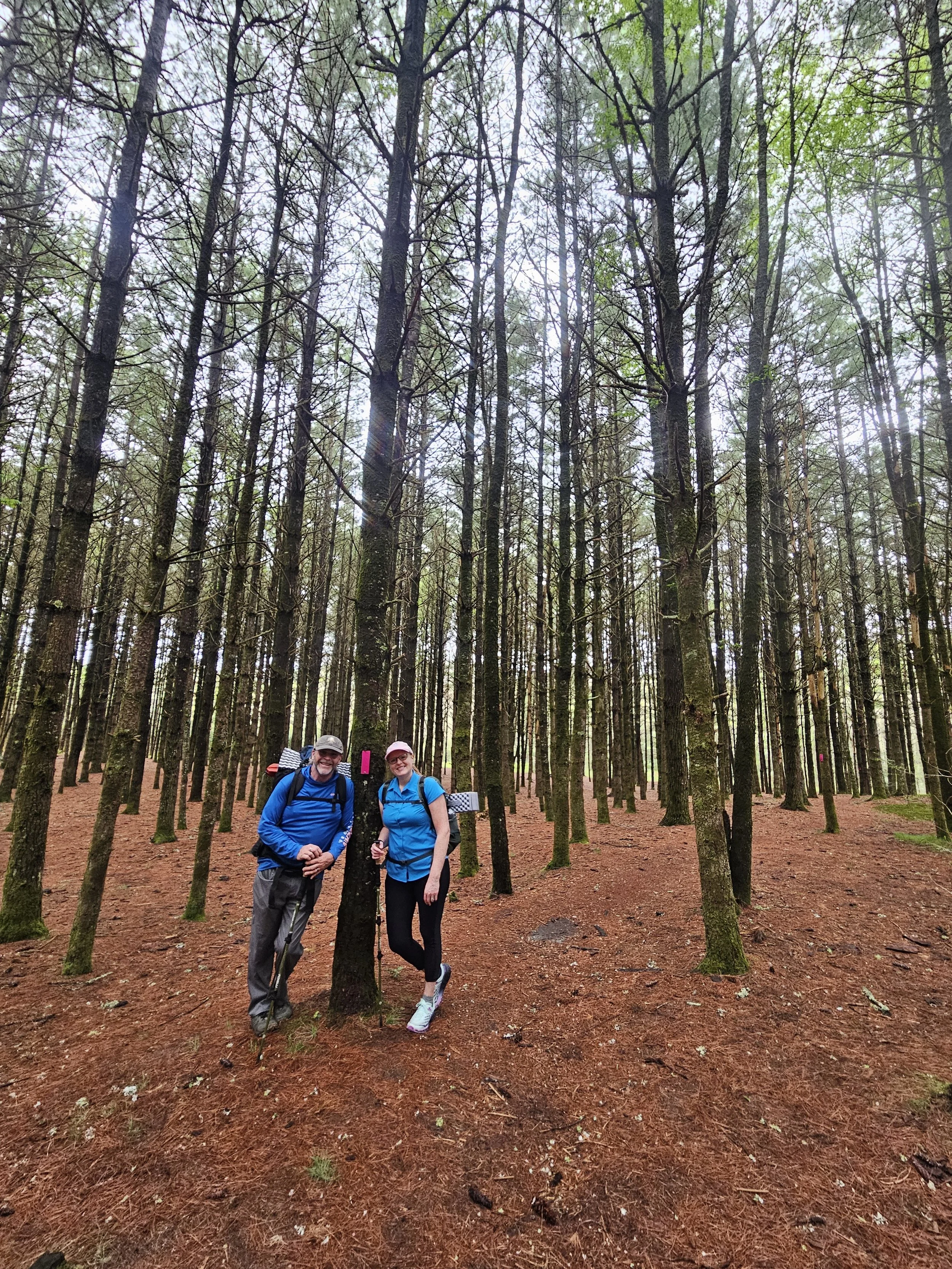
Why North Carolina Is One of the Best States for Backcountry Camping
North Carolina has something many backpackers love.
Variety.
Within a few hours you can find:
high mountain ridgelines
waterfall-filled valleys
dense old-growth forests
remote wilderness areas
Much of that land sits inside two massive national forests.
Pisgah National Forest and Nantahala National Forest.
Together they offer thousands of miles of trails and some of the best backpacking terrain in the eastern United States.
One thing many new backpackers don’t realize is that these forests are not single continuous parks. They are broken into ranger districts that each feel completely different.
Understanding that structure helps you pick the right place for your trip.
The Best Areas for NC Backcountry Camping
Pisgah National Forest
Pisgah is often the first place people hear about when researching backpacking in North Carolina.
But Pisgah is bigger and more complex than many people expect.
The forest is divided into three major ranger districts, and each one offers a different kind of backcountry experience.
The Pisgah Ranger District near Brevard is probably the most well known. This area includes famous hiking destinations like Black Balsam Knob, Looking Glass Rock, and sections of the Art Loeb Trail.
You’ll find long ridgelines, open balds, and views that stretch across the Blue Ridge Mountains.
It’s also one of the more heavily traveled areas in the state, especially during fall foliage season.
The Grandfather Ranger District feels different. The terrain is steeper and the trails can be rugged. You’ll find places like Linville Gorge, which is often called the “Grand Canyon of the East.”
Trips here tend to be more challenging, but the scenery is incredible.
The Appalachian Ranger District stretches farther north and includes sections of the Appalachian Trail along the Tennessee border.
If you want long-distance style backpacking with mountain views, this area delivers.
For hikers looking to explore the region more deeply, you can learn about additional trails in the Pisgah hiking guide.
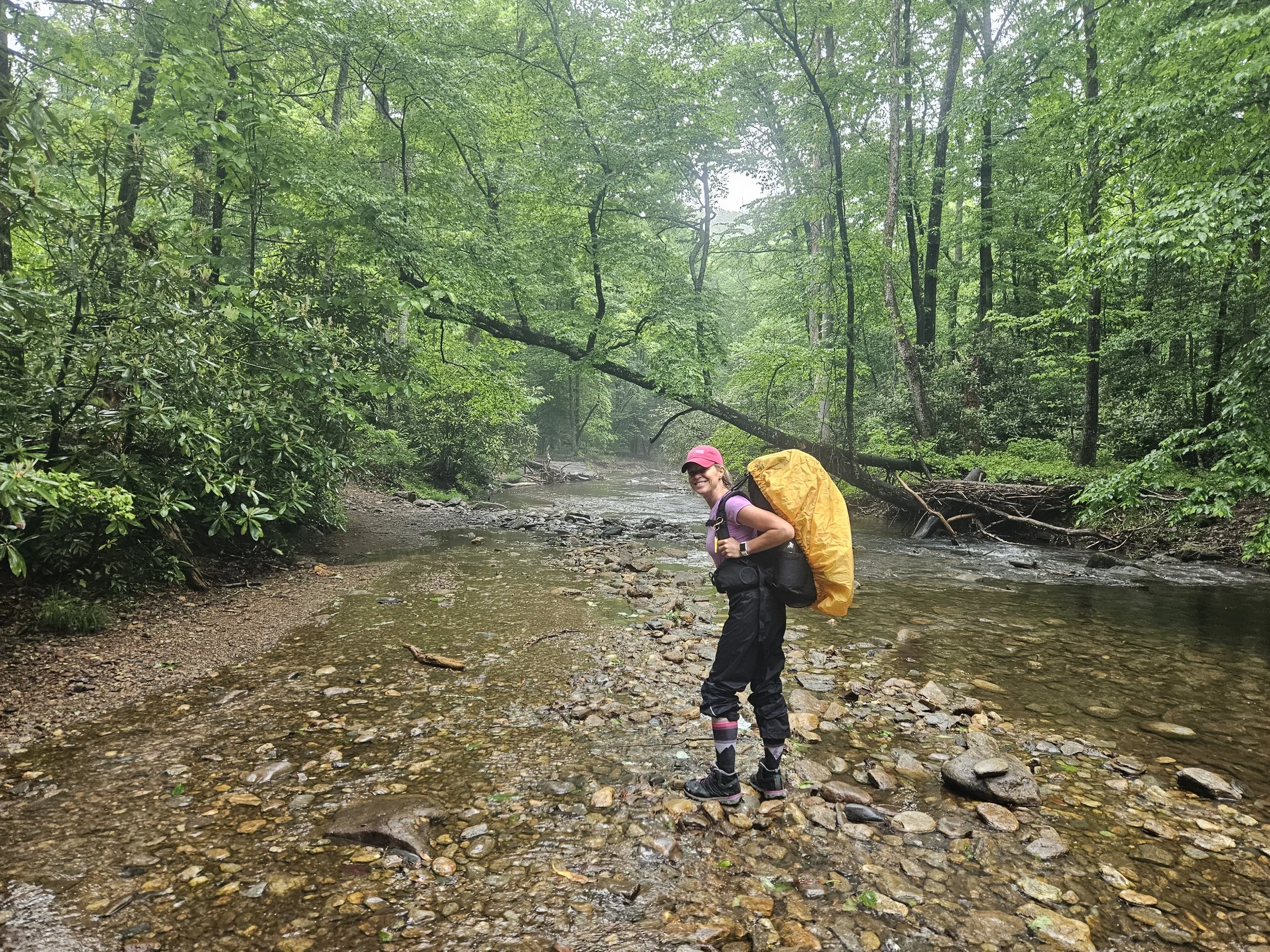
Nantahala National Forest
If Pisgah is the most famous forest in the state, Nantahala might be the most underrated.
It covers a massive area in western North Carolina and includes some of the most remote backpacking terrain in the region.
One place many backpackers start is Panther Town Valley.
This area is known for its moderate terrain, beautiful waterfalls, and relatively accessible campsites. For someone doing their first overnight backpacking trip, Panther Town is a solid choice.
Another excellent region sits along the Appalachian Trail near Standing Indian Mountain.
This area offers long ridge walks, wide mountain views, and plenty of opportunities to create loop routes that start and end at the same trailhead.
Then there’s Joyce Kilmer and the Slickrock Wilderness.
This area feels truly wild. The forest contains old-growth trees that are hundreds of years old, and the terrain is rugged enough that you can hike for hours without seeing another person.
If solitude is what you’re after, this is one of the best places in the Southeast to find it.
How Backcountry Campsites Actually Work in North Carolina
One of the biggest surprises for beginners is how campsites work in national forests.
In many places, there are no designated numbered campsites.
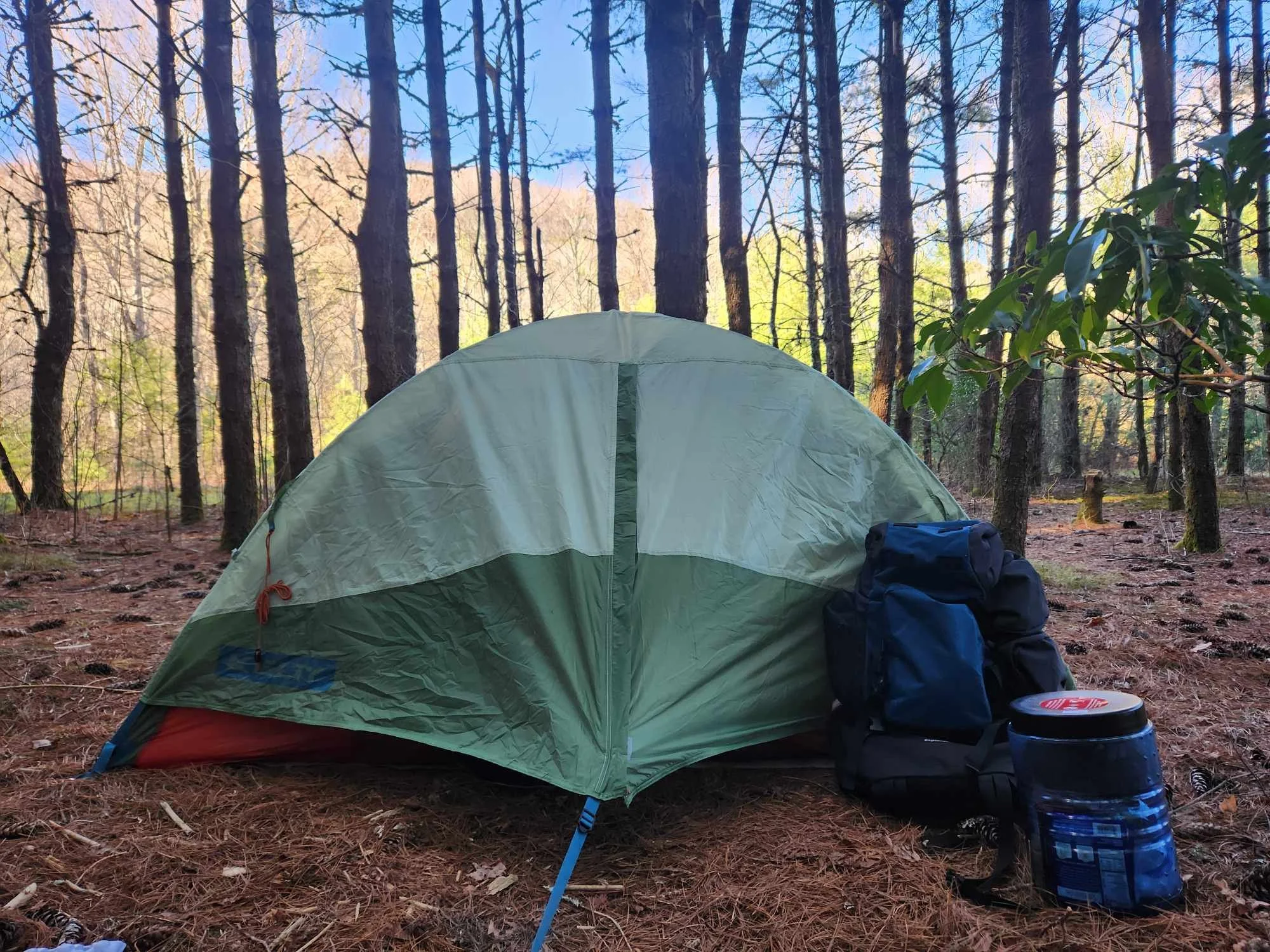
Instead, you hike until you come across an established site.
You’ll usually recognize them by a few signs:
a small clearing
flattened tent pads
a fire ring made of rocks
a short side trail leading off the main trail
These sites exist because hikers have been using them for years.
Part of backpacking in North Carolina is learning to notice these little clues.
You might hike past several before finding the one that feels right.
That flexibility is part of the experience. It also means you don’t have to follow a rigid schedule.
If the weather changes or you find a perfect campsite earlier than expected, you can simply stop there.
Permits and Rules You Should Know Before Camping
Most backcountry camping in North Carolina happens in national forests.
And national forests operate differently than national parks.
In many forest areas, dispersed camping is allowed as long as you follow a few basic rules.
One important guideline is distance from roads.
Many forests require camping to be at least 1,000 feet away from roads unless you are using a designated roadside campsite. This helps prevent the creation of unofficial campgrounds along forest roads.
Certain wilderness areas also have permit systems.
Linville Gorge is the most well-known example. During peak seasons, weekend camping permits are required in order to limit crowding and protect the environment.
You can check current regulations through the U.S. Forest Service website.
For fishing-related regulations in nearby rivers, the North Carolina Wildlife Resources Commission also maintains official guidance.
Planning a Backcountry Route in North Carolina
Once you pick a destination, the next step is building your route.
There are two common approaches.
Point-to-Point Trips
These are common along the Appalachian Trail.
You start at one trailhead and finish at another, usually camping at established locations along the way.
This approach works well for long distance hiking but requires transportation logistics.
Loop Routes
Many backpackers prefer loops.
Loop routes start and finish at the same trailhead, which makes planning much easier.
They also give you flexibility when it comes to campsite selection.
If you want ideas for routes in the region, the Appalachian Trail section through North Carolina offers several great multi-day options.
How Many Miles Should You Plan Per Day?
Mileage depends on experience and terrain.
North Carolina trails can be steep, rocky, and slow going.
For most backpackers:
Beginner trips usually fall between 5 and 8 miles per day.
Intermediate hikers often plan 8 to 12 miles.
Experienced backpackers may travel 15 miles or more depending on elevation gain.
If you’re unsure, start conservatively. It’s better to arrive at camp early than to search for a campsite in the dark.
Common Mistakes First-Time Backpackers Make
One of the biggest mistakes people make is expecting campsites to be clearly marked.
Many trails don’t have signs pointing to campsites.
Another mistake is ignoring water sources. A campsite might look perfect until you realize the nearest creek is a mile away.
Many beginners also underestimate how rugged the terrain can be.
North Carolina trails often involve steep climbs, rocky descents, and creek crossings.
Good planning makes a huge difference.
FAQ: Backcountry Camping in North Carolina
Do you need permits for backcountry camping in NC?
Most national forest areas do not require permits for dispersed camping. However, some wilderness areas such as Linville Gorge have seasonal permit requirements during busy times.
Can you camp anywhere in Pisgah National Forest?
Camping is generally allowed in the forest as long as you follow dispersed camping guidelines. This usually includes camping away from roads and using established campsites whenever possible.
What is the best beginner backpacking area in North Carolina?
Panther Town Valley in Nantahala National Forest is one of the best places for beginners. The trails are moderate and there are many established campsites.
When is the best time for backcountry camping in NC?
Spring and fall tend to offer the best weather. Fall brings incredible foliage, while spring offers waterfalls and wildflowers.
Are bears a concern when camping in North Carolina?
Black bears live throughout the mountains. Proper food storage and bear-safe practices help prevent problems.
What gear is most important for a first backpacking trip?
The essentials include navigation tools, shelter, water filtration, weather protection, and a reliable backpack.
Final Thoughts on Backcountry Camping in North Carolina
North Carolina is one of those places where the more you explore, the bigger it feels.
You can spend years hiking these forests and still discover new valleys, hidden campsites, and trails you’ve never walked before.
The key is understanding how the system works.
Backcountry camping here is less about reserving campsites and more about learning to move through the landscape.
Once you get comfortable with that style of travel, a whole new world of wilderness opens up.
If you're looking for more trail ideas or planning help, exploring regional hiking resources like North Carolina backpacking routes can help you build your next trip.
About the Author
James Perkins is an outdoor guide and backcountry backpacker who spends much of his time exploring the national forests of North Carolina and East Tennessee. Through his work with Appalachian Outdoors Co, he regularly hikes, fishes, and navigates remote sections of Pisgah National Forest, Nantahala National Forest, and surrounding Appalachian wilderness areas.