Best NC Backpacking Loops: Trail-by-Trail Guide for Every Skill Level
Why Loop Trails Are the Smartest Way to Experience NC Backcountry
If you’ve ever finished an out-and-back hike and thought, “Well… now we just do that again,” you already understand why loops matter.
A loop changes the entire feel of a trip. Rather than retracing your steps, you’re constantly moving into new terrain, new views, new sections of forest. And maybe more importantly, you simplify logistics. You park once, start hiking, and end up right back at your vehicle without needing a shuttle or a second car.
That alone is a big deal.
With point-to-point hikes, you’re dealing with transportation, timing, and coordination. With loops, you can move at your own pace and adjust as needed without worrying about where you’ll end up.
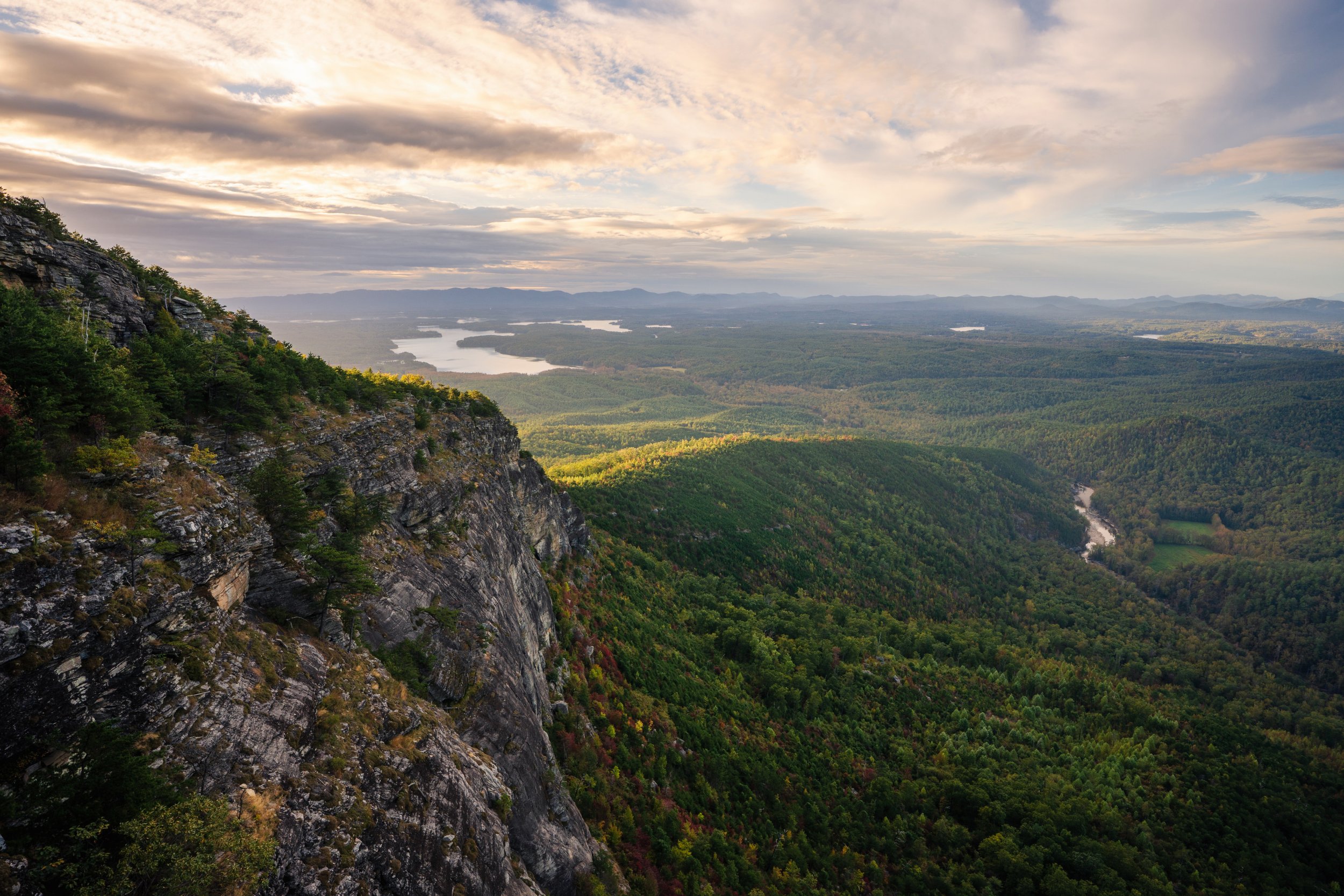
What Makes a Great Backpacking Loop in North Carolina?
Loop vs Out-and-Back: Why It Matters on the Trail
The biggest advantage of a loop is simple. Every mile is new!
You’re not hiking back over the same terrain. You’re seeing how landscapes connect. A ridge turns into a valley, which turns into a creek corridor, which eventually brings you back around.
It also removes a layer of planning. You don’t need:
Two vehicles
A shuttle
A strict turnaround point
You just keep moving forward.
How Terrain in Western NC Changes Your Experience
Here’s where things get misunderstood.
A 10-mile loop in Western North Carolina is not the same as a 10-mile loop somewhere flatter.
The terrain is the difference.
You’re dealing with:
Steep climbs that don’t show up clearly on a basic map
Descents that feel just as taxing as the climbs
Constant elevation change
This is why people underestimate routes here. The mileage looks manageable. The terrain says otherwise.
Even state parks can surprise people. They might feel more structured, but the mountains are still mountains.
What Most Lists Get Wrong About NC Backpacking Loops
Most lists focus on distance. That’s not the most helpful metric.
What actually matters:
Elevation gain
Water access
Campsite availability
Navigation complexity
If those aren’t mentioned, the list isn’t helping you plan a real trip.
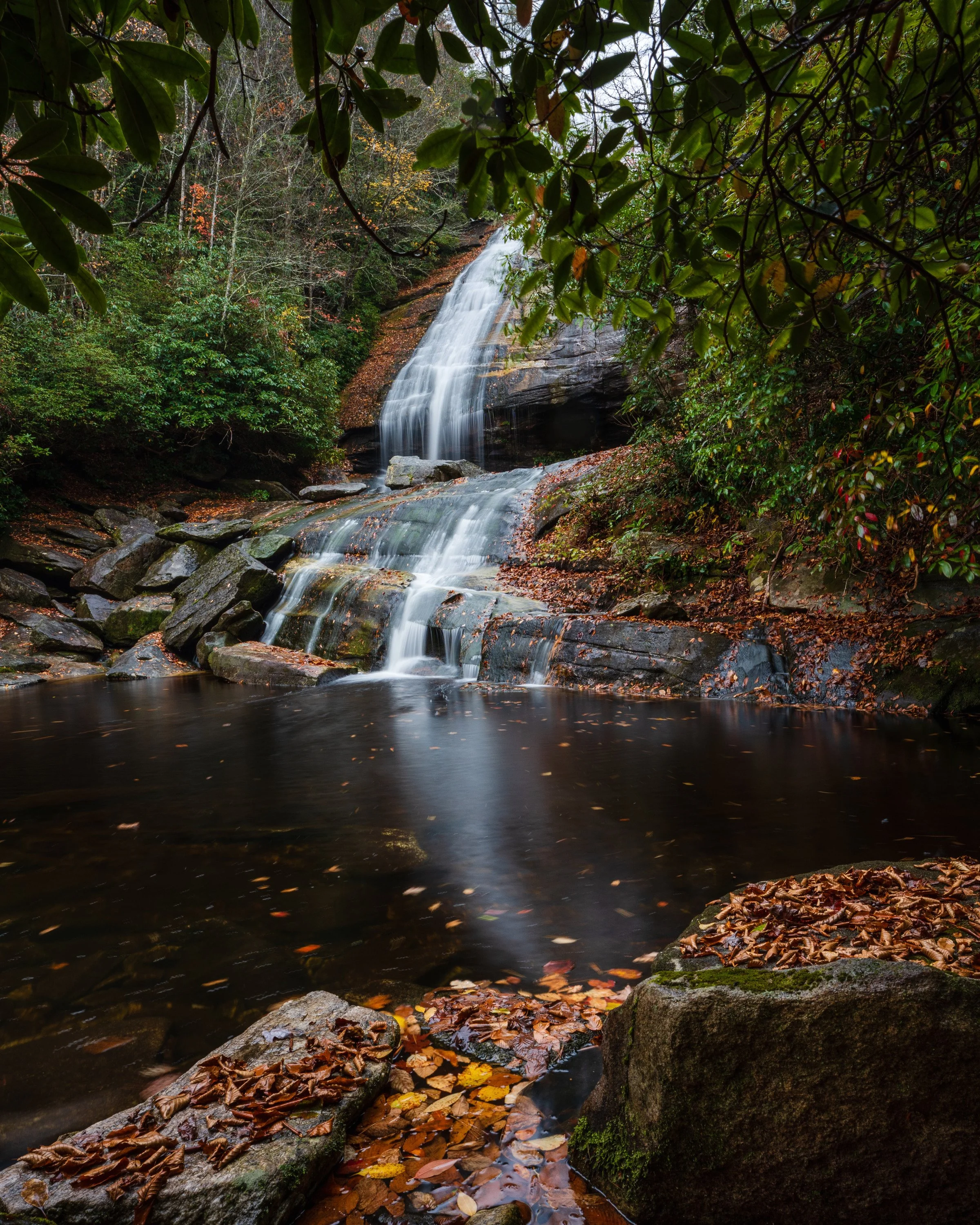
How to Choose the Right NC Backpacking Loop for You
What “Beginner” Actually Means in Western NC
“Beginner” doesn’t necessarily mean easy. But don’t let that discourage you from the adventure!
It means:
More forgiving terrain
Easier navigation
Reliable access to water and campsites
You’re still hiking in the mountains. You may even be carrying a pack.
The goal is to make that first experience manageable, not effortless.
Key Planning Factors That Actually Matter
Before choosing a loop, think through a few things:
Mileage vs elevation
Ten miles with steady climbing is very different than ten flat miles.Water access
Are you hiking along creeks or carrying water up a ridge?Navigation
Are the trails obvious or are there multiple side paths?Bailout options
If something changes, can you shorten the route?
When to Go: Seasonal Considerations
Spring is one of the most dynamic times to be out.
If you plan a loop with elevation change, you’ll see the forest waking up in layers. Lower elevations might already be full of wildflowers, while ridgelines still feel like late winter.
In summer, there are new factors to consider.
First and foremost, you will need to think strategically about water sources. Creeks, waterfalls, and places to cool off. Routes like Panthertown become more appealing because they offer both scenery and relief from the heat.
Fall brings crowds and shorter daylight, while winter brings access challenges, especially with road closures.
Where to Find the Best Backpacking Loops in NC
The best loops are concentrated in a few key regions:
Pisgah National Forest
Nantahala National Forest
Linville Gorge Wilderness
Shining Rock Wilderness
Each offers a different kind of experience.
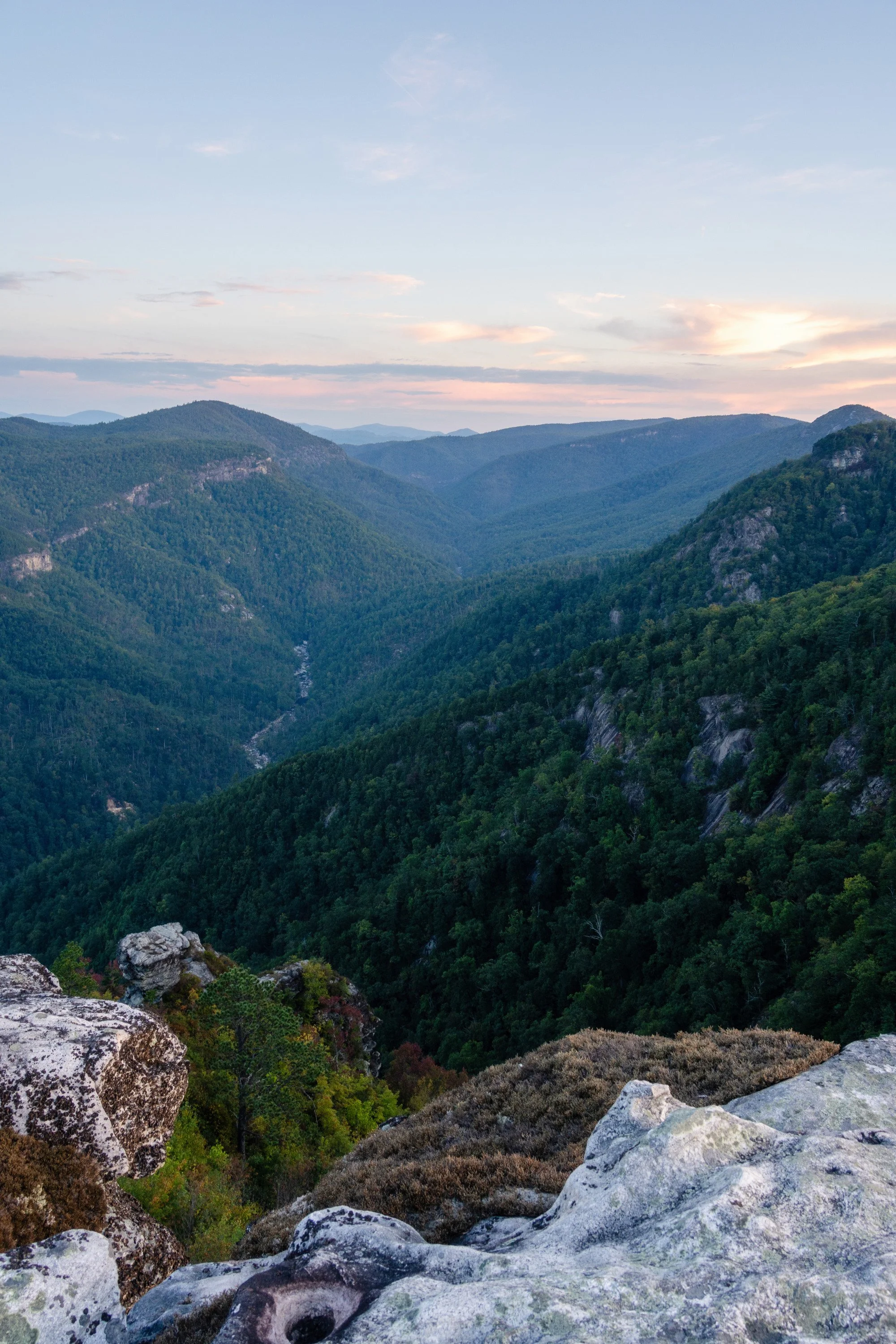
The Best NC Backpacking Loops (Detailed Trail Guides)
Art Loeb Loop Variations (Pisgah National Forest)
Quick Overview
Distance varies depending on your loop setup. Typically 20 to 30 miles.
What It’s Actually Like
This is one of the most well-known routes in North Carolina for a reason.
You’re moving across exposed balds, open ridgelines, and sections where weather can shift quickly. Wind becomes a factor. So does water planning.
There are no clearly marked campsites everywhere. You’re often finding established spots along the way.
Who This Loop Is Best For
Intermediate to advanced hikers.
Pro Tips
Plan your water carries carefully. Some sections have long stretches without reliable sources.
Shining Rock Wilderness Loop Options
Quick Overview
No single loop. Multiple ways to build your route.
What Makes It Different
There isn’t one defined “Shining Rock loop.”
You can:
Start high and stay on moderate terrain
Start low and climb into the wilderness
The flexibility is part of what makes this area so valuable.
Common Mistakes
People assume there’s one standard route. There isn’t.
Navigation can also get confusing in open areas if you’re not paying attention.
Best For
Strong beginners to intermediate hikers.
Linville Gorge Loop (The “ITAYG” Loop)
Quick Overview
Roughly 24 miles. Often done in 2 to 3 days.
Why This Loop Is Different
Linville Gorge is on a different level.
Miles here feel longer. A common joke is that one mile feels like two.
There’s minimal signage. Trails aren’t always obvious. You’ll encounter social trails, climber paths, and multiple route options.
The ITAYG loop, “Is That All You Got,” lives up to its name.
Safety Considerations
Navigation matters here. So does pacing.
Climbing out of the gorge is steep and demanding.
Best For
Experienced backpackers only.
Standing Indian Loop (Nantahala National Forest)
Quick Overview
Classic multi-day loop using sections of the Appalachian Trail.
Trail Experience
You’ll get ridge hiking, steady climbs, and well-defined trails.
Important Note
This is a great loop option, but guided trips are not offered in this specific AT corridor.
Best For
Beginners who are ready to step into longer trips.
Panthertown Valley Loop (Waterfall-Focused Backpacking)
Quick Overview
Flexible loop options with moderate mileage.
What Makes It Unique
This is one of the most accessible backpacking areas in North Carolina.
You can:
Reach campsites quickly
Stay near water
Explore waterfalls and open views
It’s one of the few places where you get big scenery without constant steep climbing.
Best For
Beginners and anyone looking for a more comfortable first trip.
Beginner-Friendly NC Backpacking Loops (Quick Picks)
If you’re just getting started, focus on:
Panthertown Valley
Standing Indian Loop
South Mountain State Park loops
These offer:
Easier navigation
Reliable water
Predictable campsites
Challenging NC Backpacking Loops for Experienced Hikers
If you’re looking for something more demanding:
Linville Gorge loops
Art Loeb variations
Black Balsam and Shining Rock high routes
“Hard” here usually means:
Steep climbs
Limited water
More navigation responsibility
Gear and Planning Tips for NC Loop Backpacking
What You Actually Need
Your gear doesn’t change much based on the loop.
You still need:
Shelter
Sleep system
Cooking setup
Water filtration
Navigation tools
A paper map and compass should always be part of your system, even if you’re using apps.
Water, Food, and Campsite Strategy
Water is one of the biggest planning factors.
If your route follows a creek, you can carry less.
If you’re heading up to ridgelines, you’ll need to carry more.
Campsites often appear near:
Water sources
Flat areas along ridges
Established clearings
Navigation Tips for Loop Trails
Always have multiple navigation tools.
Maps don’t show every campsite. They don’t show every social trail.
You need to read terrain, not just follow a line.
Safety Considerations in Western NC
Weather shifts quickly.
Trails can be slick, especially after rain.
Wildlife is present, which means proper food storage matters depending on where you are.
For official regulations and updates, check the Forest Service updates and the National Park Service.
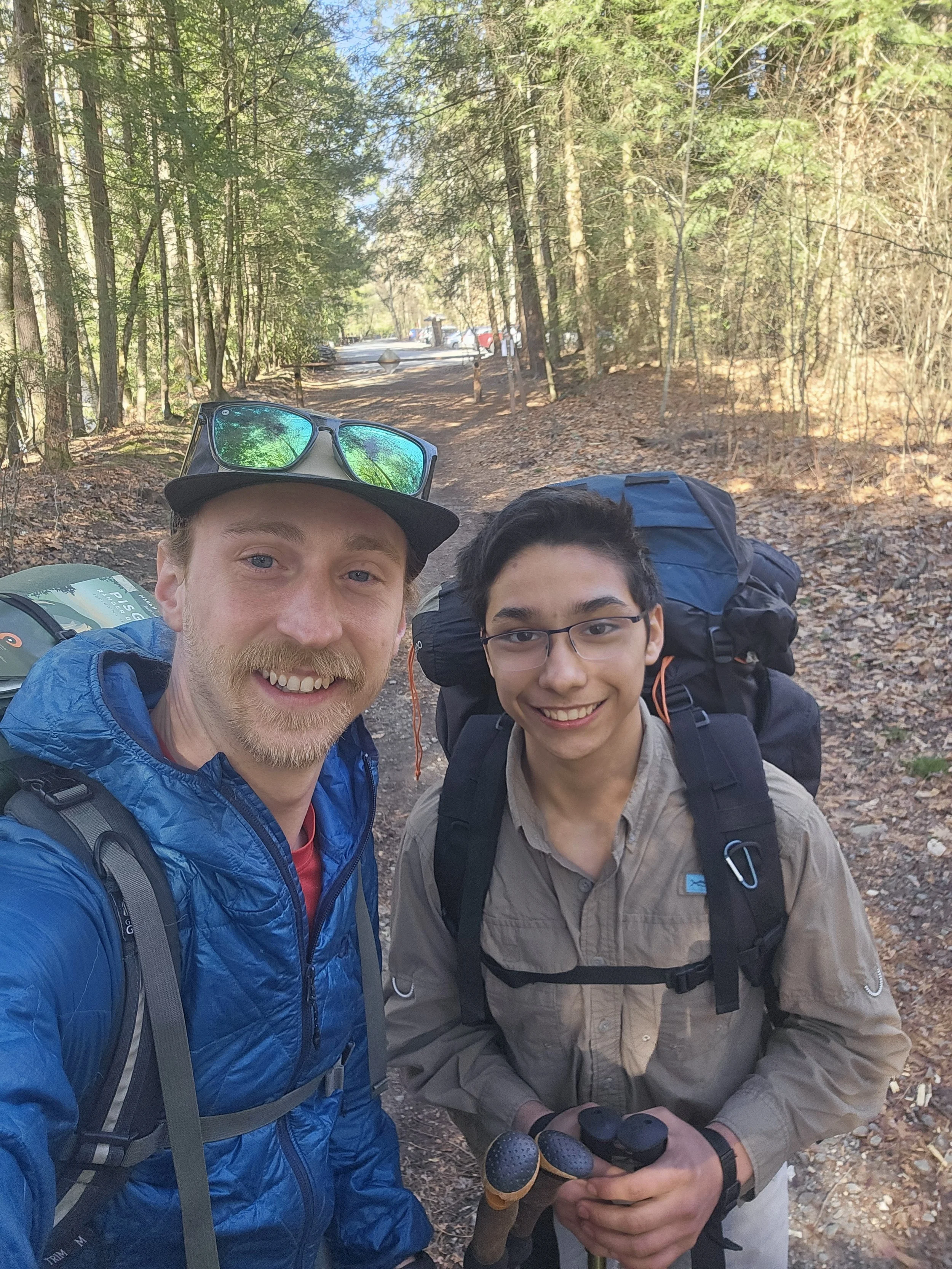
Should You Go Guided for a Backpacking Loop?
A guided trip removes a lot of the friction.
You show up with your clothing and personal items. Everything else can be provided:
Backpack
Tent
Sleeping gear
Cooking equipment
You go over the plan at the trailhead, pack your food, and head out.
Loop trips are especially simple in this format. You start and end at the same place without worrying about transportation.
If you’re new, it speeds up the learning curve.
If you’re experienced, it lets you focus more on the experience itself.
Explore options for guided backpacking trips in North Carolina, build skills through backpacking courses, or simplify logistics with backpacking gear rentals.
Common Questions About NC Backpacking Loops
What is the best beginner backpacking loop in NC?
There isn’t a single answer. It depends on what you want to experience. If you want waterfalls and easier terrain, Panthertown is a great choice. If you want big views, Shining Rock may be a better fit.
Are there loop hikes in Pisgah National Forest?
Yes, but most are built by connecting trails rather than following one named loop.
How hard is Linville Gorge backpacking?
It’s very challenging. The terrain is steep, navigation is complex, and miles may feel longer than expected, but so rewarding!
Do I need permits for NC backpacking loops?
It depends on the land. National forests usually don’t require permits, but state parks, the Smokies, and Linville Gorge (seasonally) do.
How do I find water on these trails?
Look for creeks and streams on topo maps. Campsites are often located nearby.
What’s the best time of year for backpacking loops in NC?
Fall is the most popular, but spring and summer offer great experiences depending on what you’re looking for.
Choosing the Right Loop for Your Next Trip
The best backpacking loop isn’t the most popular one.
It’s the one that fits your experience, your expectations, and what you actually want to get out of the trip.
Some people want big views. Some want waterfalls. Some want a challenge.
Once you understand how these loops actually work, how terrain affects difficulty, how water and campsites shape your plan, it becomes much easier to choose the right one.
If you want help planning your first loop or stepping into something more advanced, that’s exactly what we do.
About the Author
James Perkins is an outdoor guide and backcountry backpacker who spends much of his time exploring the national forests of North Carolina and East Tennessee. Through his work with Appalachian Outdoors Co, he regularly hikes, fishes, and navigates remote sections of Pisgah National Forest, Nantahala National Forest, and surrounding Appalachian wilderness areas.